

Industries
eCommerce website
Development
Stores that stay fast as the catalogue grows, because the catalogue page getting slow is what actually loses the sale.
- Fast
- SEO Ready
- Responsive
- Clean Code

- Built for
- Retailers and B2B sellers
- Approach
- Modular, read-optimised
- Live example
- Two UK storefronts
- Pricing
- Quoted per project
Built Properly
- Fast
- Reliable
- Secure
- Scalable
Where stores actually lose money
Most online stores do not fail for want of a feature. They fail because the category page takes four seconds, and the customer leaves before seeing anything you sell.
- What I build
- Built read-first
- Custom or a platform - an honest answer
What I do with it
Stores that stay fast as the catalogue grows, because the catalogue page getting slow is what actually loses the sale.
- A product catalogue with categories, variants and attributes that stays workable from fifty products to several thousand
- A modular admin panel for products, orders, customers and content
- A REST API serving both storefront and admin, so the two never disagree about what an order is
- Payment gateway integration
- Order management from basket through payment, dispatch and returns
- SEO-friendly routing
Tech Stack
- Next.js
- React
- .NET
- SQL Server
- TypeScript
- Tailwind CSS
Using modern and industry-standard tools to deliver future-ready solutions.
Have a project in mind?
Let's discuss your idea and turn it into something that performs.
Get a Free Quote- No obligation
- Free consultation
- Quick response
Where stores actually lose money
Most online stores do not fail for want of a feature. They fail because the category page takes four seconds, and the customer leaves before seeing anything you sell.
That is a database and caching problem far more often than a design problem, and it gets worse exactly as the catalogue grows - which is to say, exactly as the business starts working.
What I build
- A product catalogue with categories, variants and attributes that stays workable from fifty products to several thousand.
- A modular admin panel for products, orders, customers and content.
- A REST API serving both storefront and admin, so the two never disagree about what an order is.
- Payment gateway integration - Razorpay and UPI for India, card checkout for international.
- Order management from basket through payment, dispatch and returns.
- SEO-friendly routing: readable URLs, canonical handling, and per-product metadata the admin can edit.
Built read-first
Catalogue reads outnumber writes by an enormous margin, so the schema and the indexes are designed around the product listing query rather than around a tidy entity diagram.
Prices and stock go through a caching layer with eviction tied to the write that changes them - so pages are fast without ever showing a stale price. Paying the database for every listing view is the standard reason store pages get slow, and it is avoidable from day one.
Product URLs are built on slugs held against the entity, so renaming a product does not break the link that was earning you traffic.
Custom or a platform - an honest answer
If you sell a hundred simple products and want to be live next week, Shopify is probably the better purchase and I will tell you so.
Custom becomes worth it when the platform's assumptions start costing you: complex pricing rules, B2B accounts, integration with a warehouse or ERP, or per-transaction fees that have grown past what a build would cost. Those are the cases I take on.
Example projects
Real projects. Real results.
 ProjectOnline Pharmacy and Healthcare Commerce PlatformTwo UK storefronts on one architecture - 65 entities and ~230 CQRS handlers behind a Next.js 15 storefront and a 36-screen admin.ASP.NET CoreC#Clean Architecture
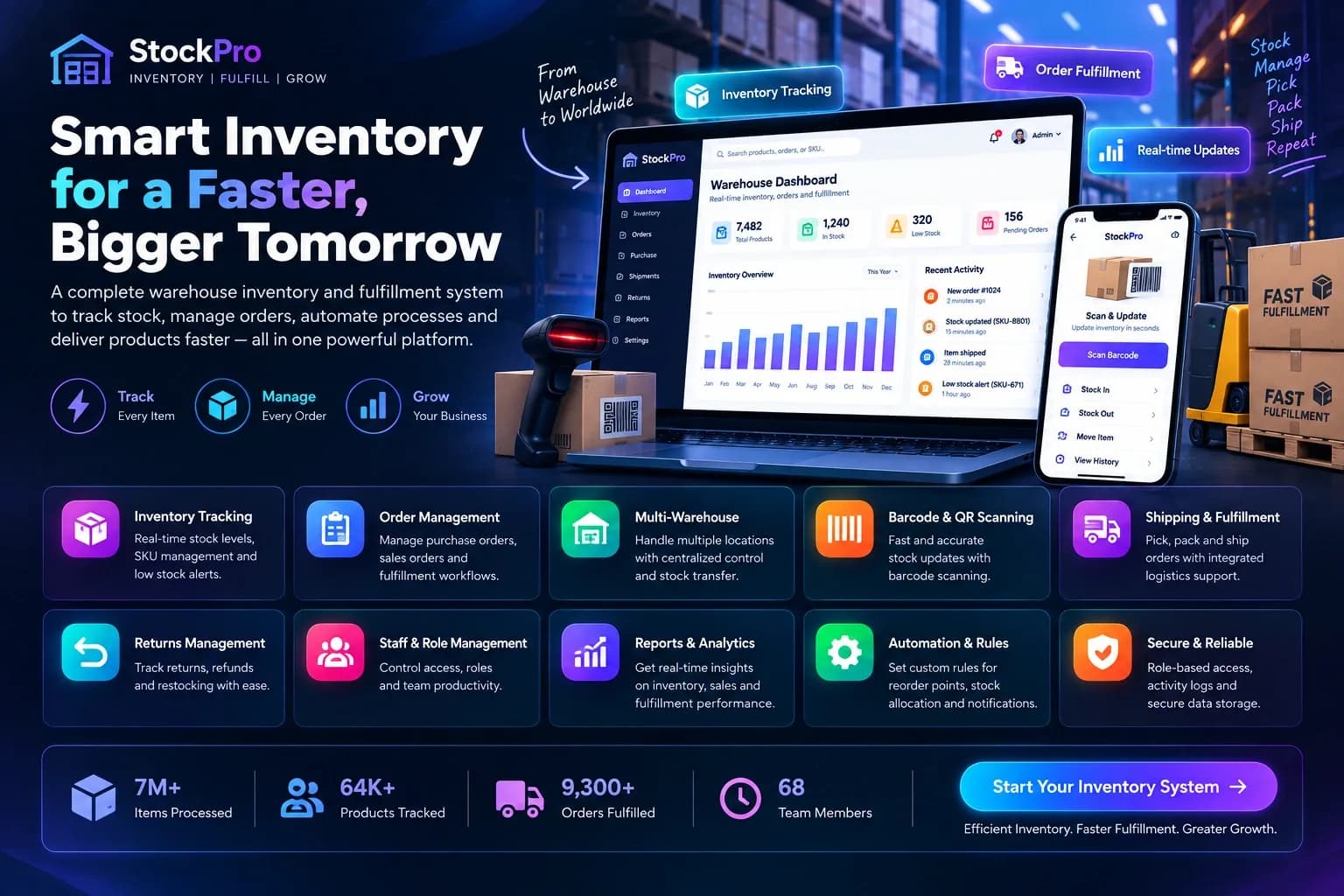 ProjectWarehouse Inventory and Fulfilment SystemWhere an online store meets real stock - useful when fulfilment is part of the problem.ASP.NET Core 9C#Entity Framework Core
 GuideWordPress vs a Custom Website: Which Is Right for Your Business?WordPress or a custom-built site? Most answers online are written by someone selling one of them. I build both, so here is the honest comparison - cost, speed, SEO, security, editing - and a simple way to decide.Web Development4 min read
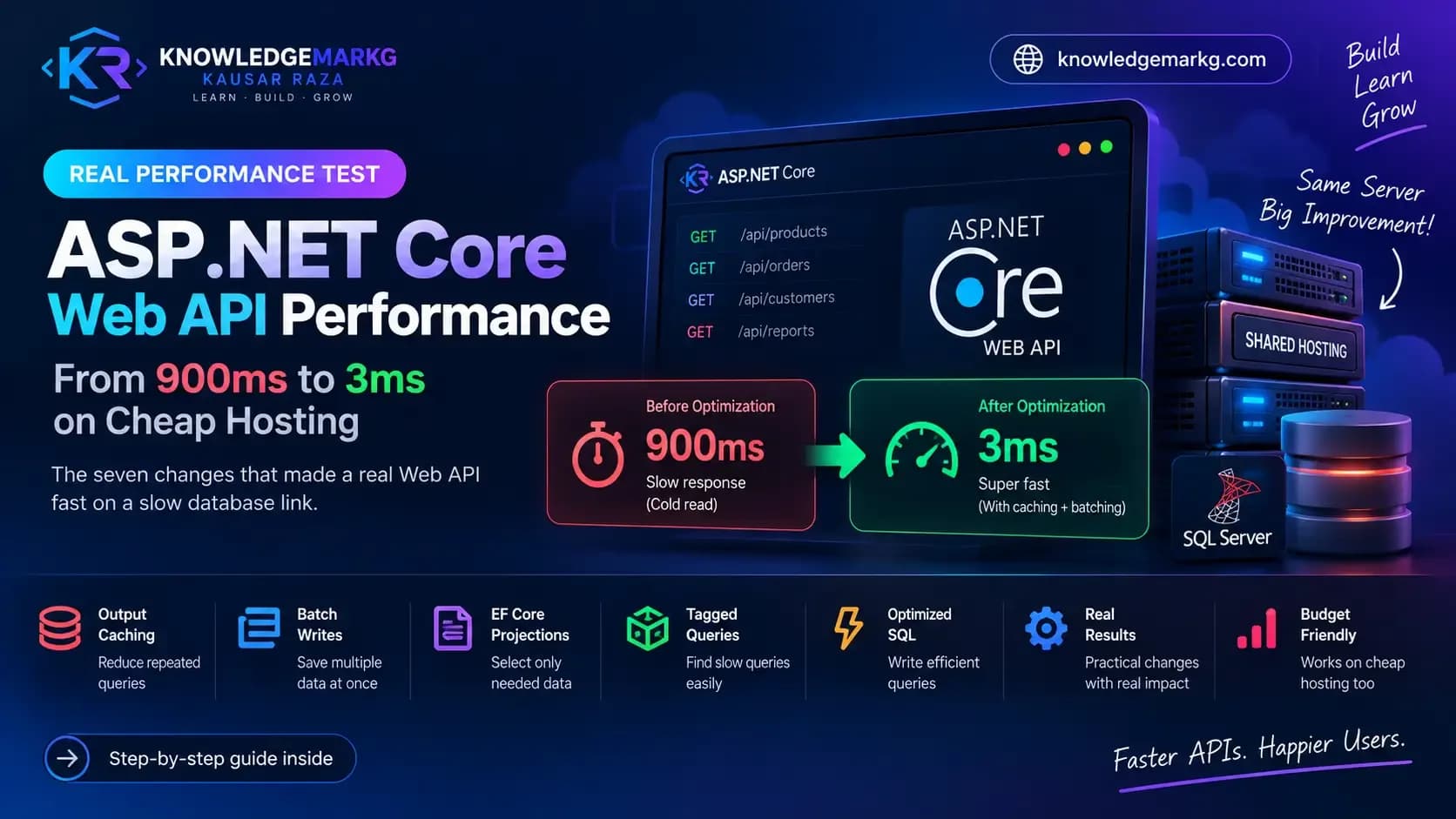 GuideASP.NET Core Web API Performance: From 900ms to 3ms on Cheap HostingEF Core projections, tagged output caching and batched writes - the seven changes that made a real Web API fast on a slow database link.Programming7 min read
Frequently Asked Questions
Quick answers to common questions about ecommerce.
Should I use Shopify instead?+
Quite possibly. For a straightforward catalogue with standard checkout, Shopify is faster to launch and cheaper to start. Custom development earns its cost when you have pricing rules, B2B requirements, or integrations a platform fights you on - or when transaction fees have outgrown the cost of owning the thing.
Which payment gateways can you integrate?+
Razorpay and UPI for Indian businesses, and card gateways including Stripe for international. I have integrated Stripe on a live UK platform, so this is not theoretical.
Can it connect to my warehouse or inventory system?+
Yes, and this is the part most store builds get wrong. I have built the warehouse side too, so the integration is designed as one system rather than two that email each other spreadsheets.
Will the store be fast with thousands of products?+
That is the case it is designed for. The listing query is what the indexes are chosen around, and the catalogue is cached with eviction tied to writes - which is why it stays quick as the catalogue grows rather than degrading with it.
Ready to get started?
Let's create something amazing together.
- Free Consultation
- Custom Solution
- On-Time Delivery