


Every week someone sells a new cure for AI search. Add this file, use that schema, buy this tool and ChatGPT will start recommending your business. Most of it is guesswork dressed as method, and some of it is flatly contradicted by the companies running the models.
Here is what the evidence actually says in 2026: what makes an AI answer cite a page, what makes no difference, and what is worth doing this month. I have applied all of it to this site, so where something is uncertain I say so.
First, the honest size of the prize
AI search is growing fast and is still small. Measured across the web, AI referral traffic is about 1.08% of all traffic, growing roughly 1% month on month. That is not a reason to ignore it - the trend is real and compounding - but it is a reason not to rebuild your website around it while your Google traffic pays the bills.
The realistic goal is not "replace Google with ChatGPT". It is to be the source an AI answer quotes when someone asks about what you do, because that is the new version of being recommended.
How a page ends up in an AI answer
Whether it is ChatGPT search, Google's AI Overviews or Perplexity, the mechanics are broadly the same:
- The model searches. Your question becomes several search queries, run against a search index.
- It retrieves a handful of pages and reads them.
- It writes one answer and cites a few of those pages.
Two numbers explain where the opportunity is. A page ranking first has about a 58% chance of being cited in an AI Overview for that query; by position ten it is 14%. So ranking still matters enormously. But separately, fewer than 10% of the sources cited across ChatGPT, Gemini and Copilot rank in the top 10 of Google for the same query - because the model searched for something else, in its own words, and found you there.
That is the whole game in one sentence: you are being retrieved for questions you did not know were being asked. Which is why "what do I rank for" is the wrong question, and "what questions does my page answer completely" is the right one.
Being retrieved is also not the same as being cited. ChatGPT cites roughly 15% of the pages it pulls; the rest are read and discarded. Getting retrieved is SEO. Getting cited is about what the page says once opened.
What actually works
1. Rank. AI search runs on search results
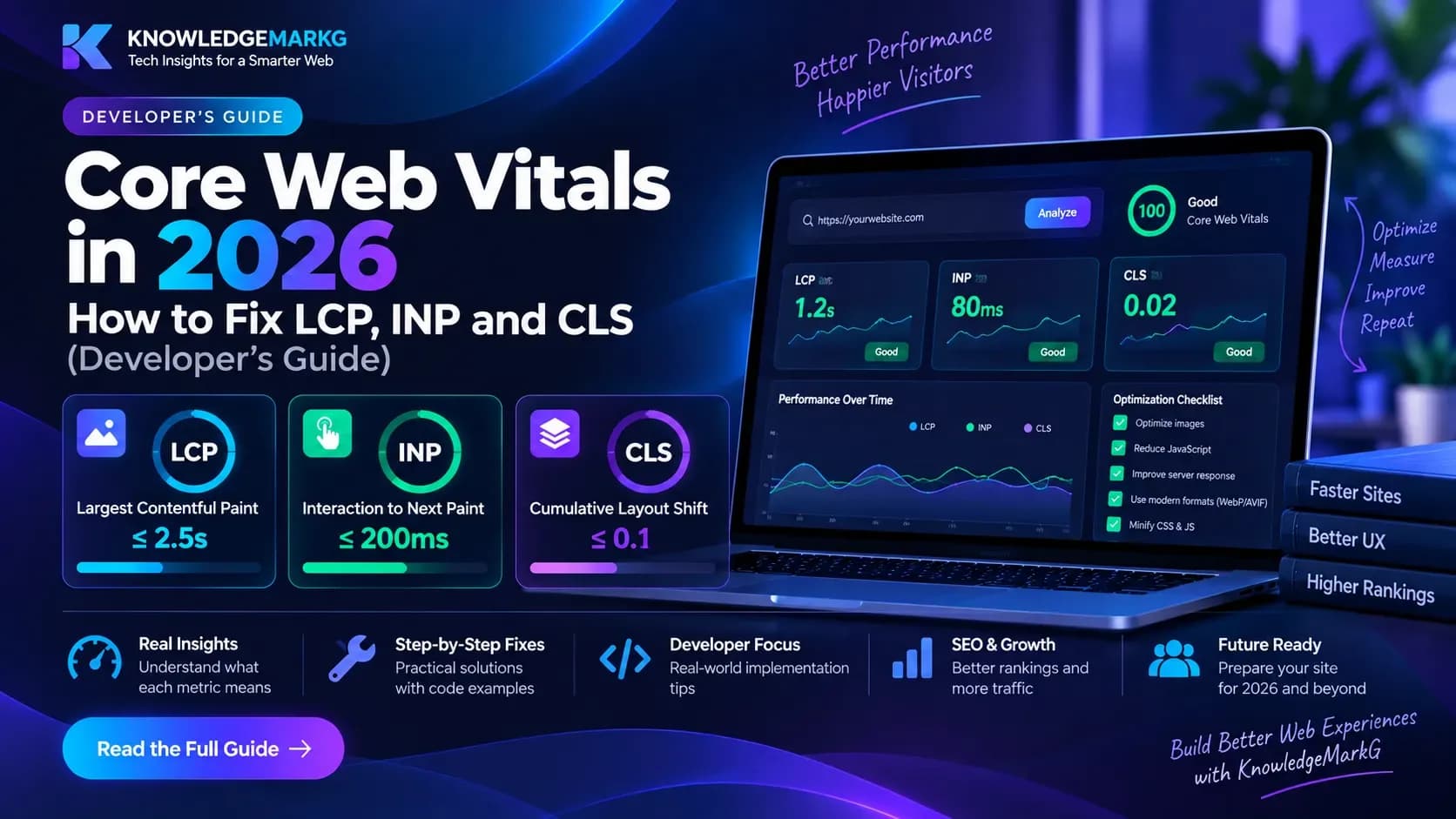
The most reliable way to be cited is still to be findable by the ordinary search that sits underneath the model. Titles, internal links, speed, crawlability - the usual work. If you are choosing between "fix the site's SEO" and "optimise for AI", they are mostly the same task. My Core Web Vitals guide covers the technical half.
2. Answer the question in the first three sentences
A model reading your page is looking for a self-contained answer it can lift. If the answer to "how much does a clinic website cost in India" is in paragraph nine after your company history, it may never be found. Put the direct answer at the top, then explain, qualify and expand underneath. Headings written as real questions help for the same reason.
3. Be dense with facts, numbers and sources
The original research that named GEO found that adding citations, statistics and quotations lifted a page's visibility in AI answers by up to 40%, and that this helped lower-ranked sites the most. Models prefer specifics they can attribute: a date, a figure, a named source. "Fast hosting improves SEO" is unquotable. "LCP above 4 seconds is classed as poor by Google" is quotable.
Every number in this article has a source at the bottom for exactly that reason.
4. Publish something only you could publish
A model can synthesise ten articles that say the same thing without citing any of them. It cannot synthesise your data. Anything first-hand is disproportionately valuable: figures from your own projects, a test you ran, prices you actually charge, a failure and what it cost. This is the one advantage a small site holds over a content farm.
5. Make the machine-readable version match
Schema markup does not make an AI cite you, and Google has said plainly that no special schema is needed for its AI features. But valid, honest structured data tells any parser who wrote this, what the page is, when it was updated and what your business is called. Organization or Person, Article, FAQPage and BreadcrumbList are enough. Consistency of your name, service names and contact details across your site, your Google Business Profile and your LinkedIn is what ties the entity together.
6. Decide, deliberately, whether AI crawlers may read you
You cannot be quoted by a system you have blocked. The user agents worth knowing in your robots.txt are GPTBot and OAI-SearchBot (OpenAI), ClaudeBot and Claude-SearchBot (Anthropic), PerplexityBot, and Google-Extended (Google's AI training, separate from Googlebot).
# Allow AI search crawlers - blocking them removes you from AI answers
User-agent: GPTBot
Allow: /

User-agent: OAI-SearchBot
Allow: /

User-agent: PerplexityBot
Allow: /
There is a genuine trade-off here: allowing them means your writing trains and feeds products that may answer questions without sending you a visitor. Publishers block them for that reason. For a small business trying to be found, being absent is usually the worse deal.
7. Keep the page current, and say when it changed
AI answers lean on recency for anything that dates - prices, versions, rules, "best of" lists. A visible last-updated date and an accurate dateModified in your schema are cheap. Rewriting a page that still ranks is usually worth more than publishing a new one.
What does not work - including something I built this week
llms.txt. The idea is a Markdown map of your site at /llms.txt for AI crawlers. Adoption is real: roughly 36,000 known files by May 2026, an 8.8x rise in a year. The problem is nobody is reading them. Across half a billion logged AI-bot requests, the share that touched /llms.txt was statistically negligible, Google's Gary Illyes has said Google does not support it and has no plans to, and John Mueller compared it to the old keywords meta tag. Google's own May 2026 guidance says llms.txt, content chunking and AI-specific schema are not needed.
I added one to this site anyway, and I want to be straight about why: it costs nothing, it is generated automatically from content that already exists, and if one engine ever starts using it the file is there. That is insurance, not strategy. If a consultant quotes you for "llms.txt implementation", you are paying for a text file.
Fake ratings in schema. Marking up review stars you do not have is a manual-action risk, and it is the reason this site's tool pages carry no aggregateRating - there are no ratings to report.
"AI-optimised" rewriting. Stuffing pages with question-shaped headings and robotic summaries makes them worse to read without making them more citable. The research points at facts and structure, not at a template.
Tools that promise AI rankings. Nobody controls placement in a generated answer. Tracking tools that show how often you are mentioned are useful; anyone promising position one in ChatGPT is selling weather forecasts as guarantees.
How to measure it without fooling yourself
- Ask the engines. Once a month, put your five most commercially important questions into ChatGPT, Perplexity and Google AI Mode, and record who gets cited. It is manual, and it is the most honest signal you will get.
- Watch referrals. In GA4, filter sessions by source containing
chatgpt.com,perplexity.ai,copilot.microsoft.comorgemini.google.com. Small numbers, high intent - these visitors arrive already briefed. - Watch impressions, not just clicks. In Search Console, pages appearing in AI Overviews often show impressions rising while clicks stay flat. That is visibility you are not being paid for in traffic, and it still affects whether people have heard of you.
- Check your brand answer. Ask an assistant "who is [your business]" and see whether the description matches how you describe yourself. If it does not, your About page, schema and profiles disagree with each other somewhere.
A one-hour checklist
- Open your most valuable page. Is the main question answered in the first three sentences? If not, move the answer up.
- Add two specifics to it: a number, a date, a price, a measured result - each with a source or a "from my own projects" note.
- Check
robots.txtfor AI crawler rules, and decide on purpose rather than by accident. - Validate your structured data. Remove anything you cannot honestly claim.
- Make your business name, services and contact details identical across the site, Google Business Profile and LinkedIn.
- Put a real last-updated date on pages that age.
- Write down today's answer for your five key questions in ChatGPT and Perplexity, so next month you can compare.
What I changed on this site
Honest reporting, since I did this work in the same week: I replaced invalid structured data (including software markup that demanded ratings I do not have), gave the tool pages accurate page-level schema, published an llms.txt generated from the live content, tightened the answer-first structure on the guides, and left AI crawlers allowed in robots.txt. What I cannot yet tell you is which of those changes moves citations, because the honest answer takes months of monthly checks. I will update this page when I know.
If you would rather someone did this properly on your site - the technical SEO, the structured data, the speed work underneath it - that is what I do. See the speed and technical service, or tell me about your site and I will tell you honestly whether it needs any of this yet.
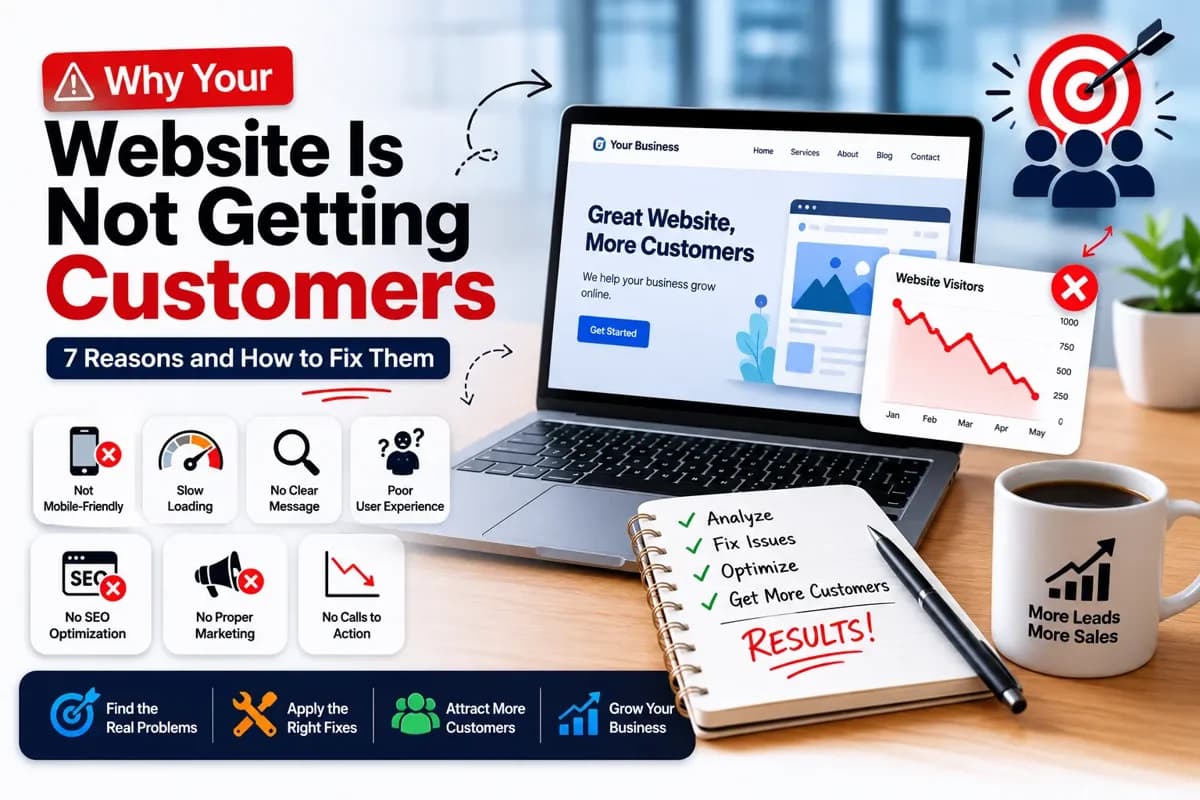
Related reading: Core Web Vitals in 2026, what website maintenance actually costs, and why your website is not getting customers.
Sources: the GEO research paper (Aggarwal et al., KDD 2024) for the 40% visibility finding; Similarweb and Superlines AI-search reporting for referral share; published 2026 citation-rate studies for the position-one and top-10 figures; Google's May 2026 AI-features guidance, plus public statements from Gary Illyes and John Mueller, for llms.txt; llms.txt adoption and crawler-fetch data from 2026 log analyses.

Join the conversation
No comments yet — be the first to share what you think.